
Elevating everyday living, one moment at a time.

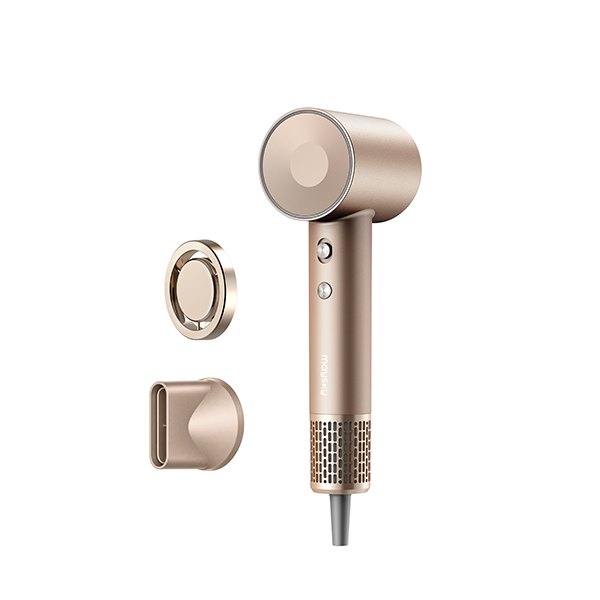
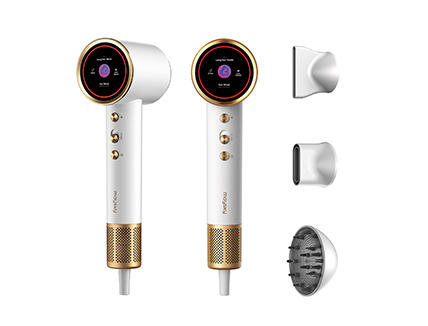
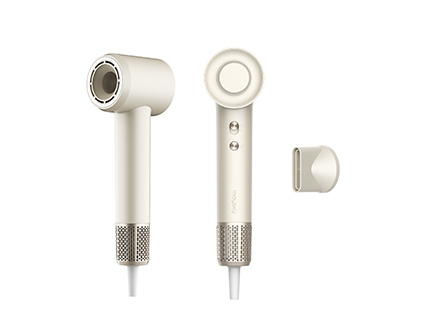
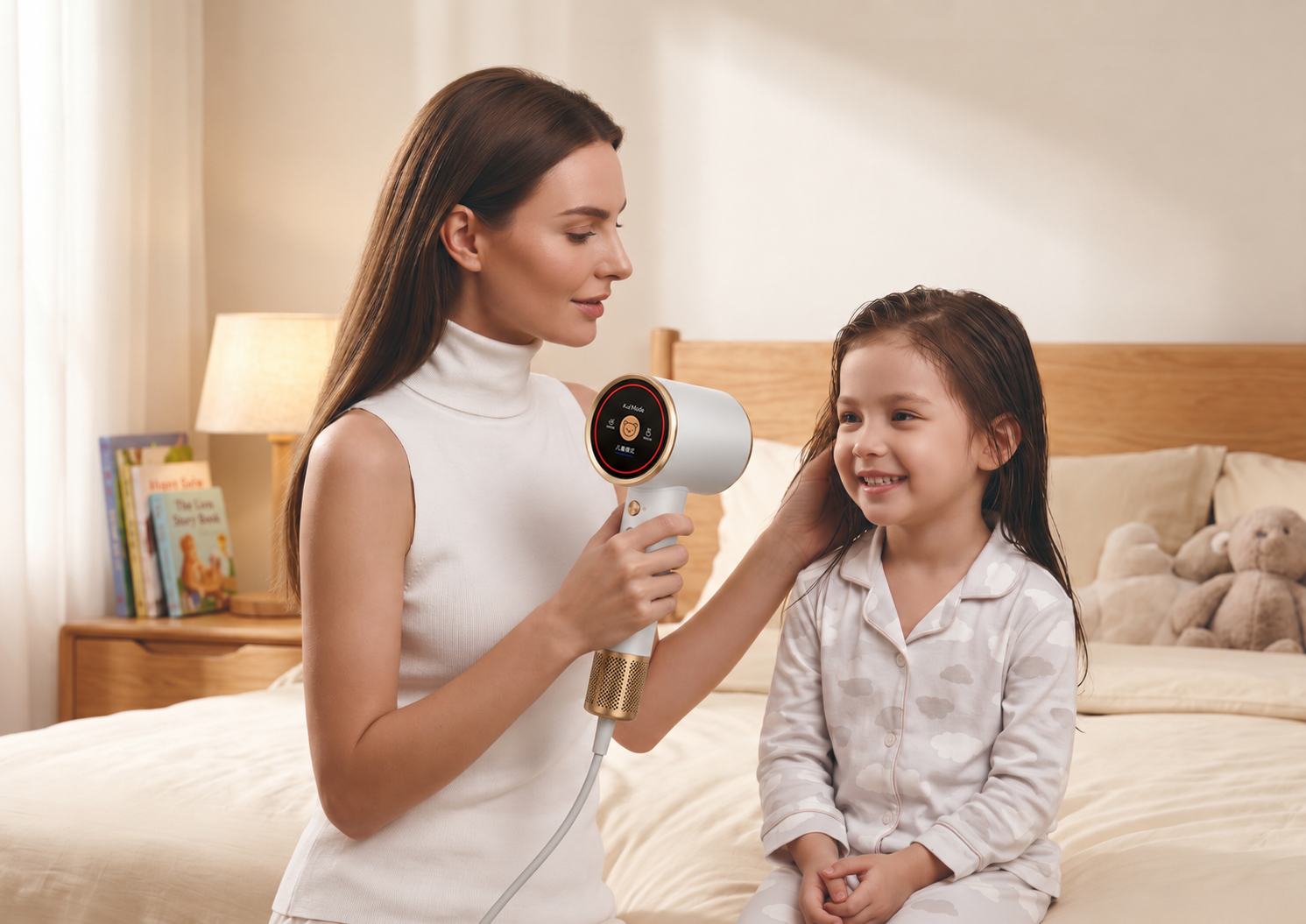
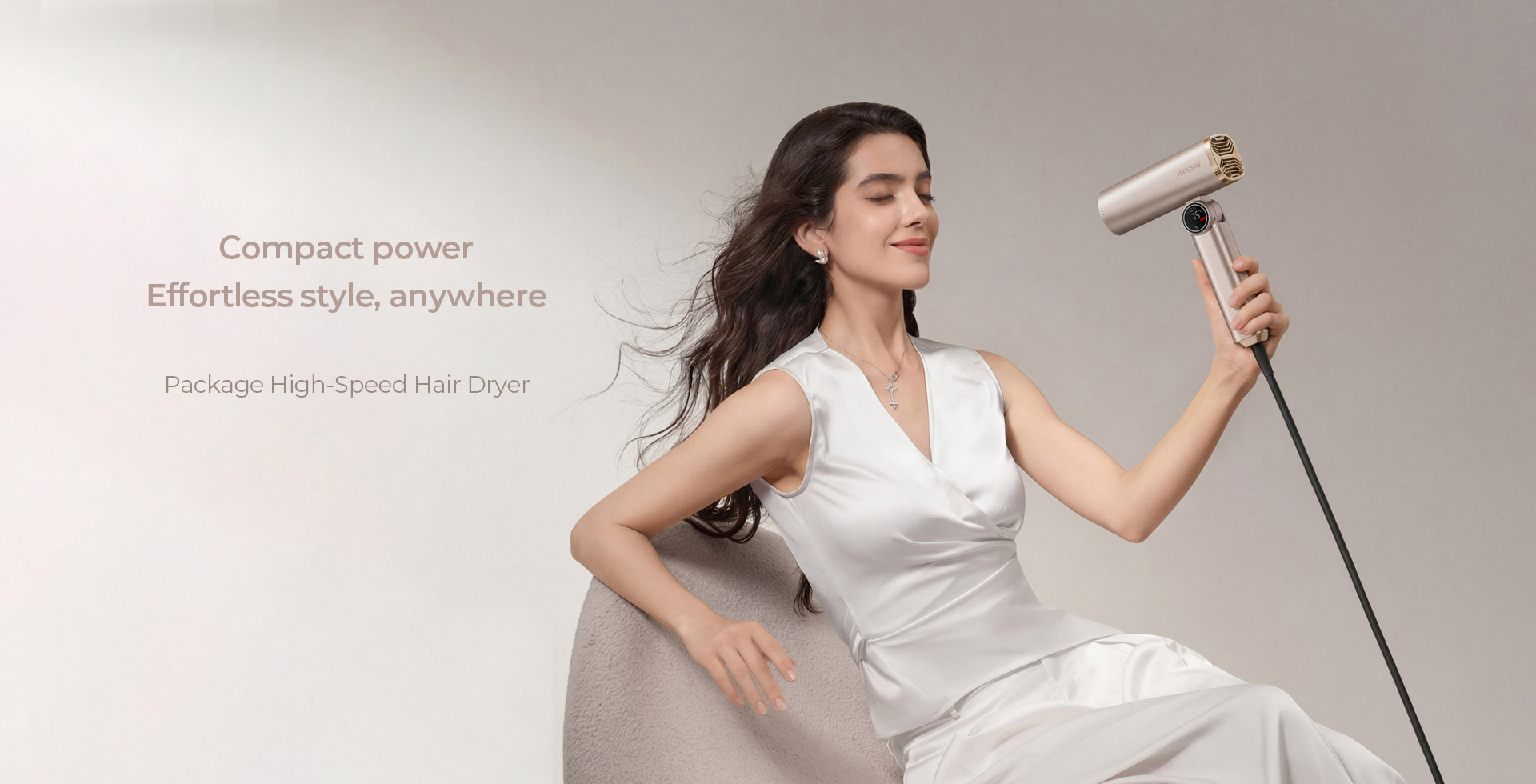
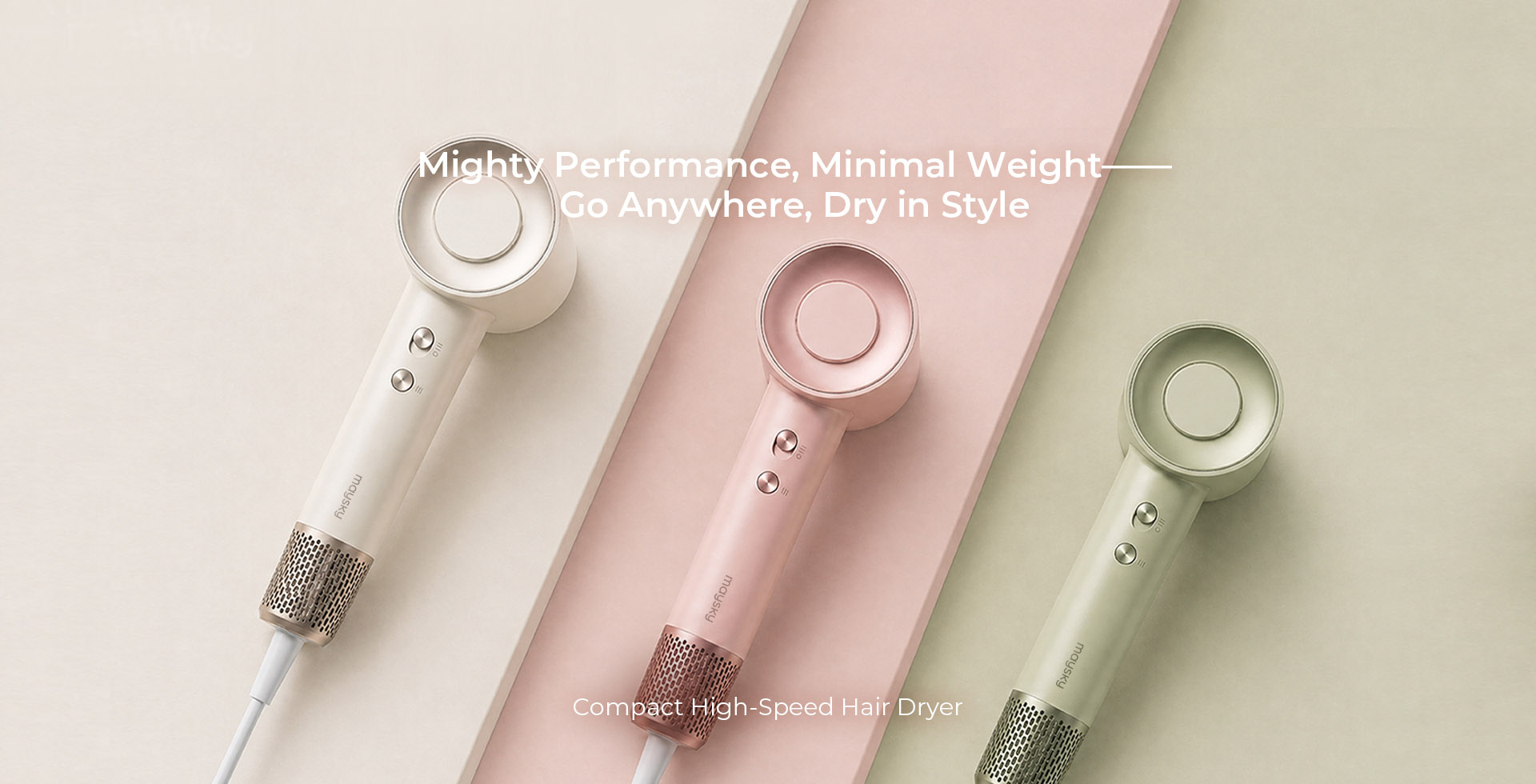
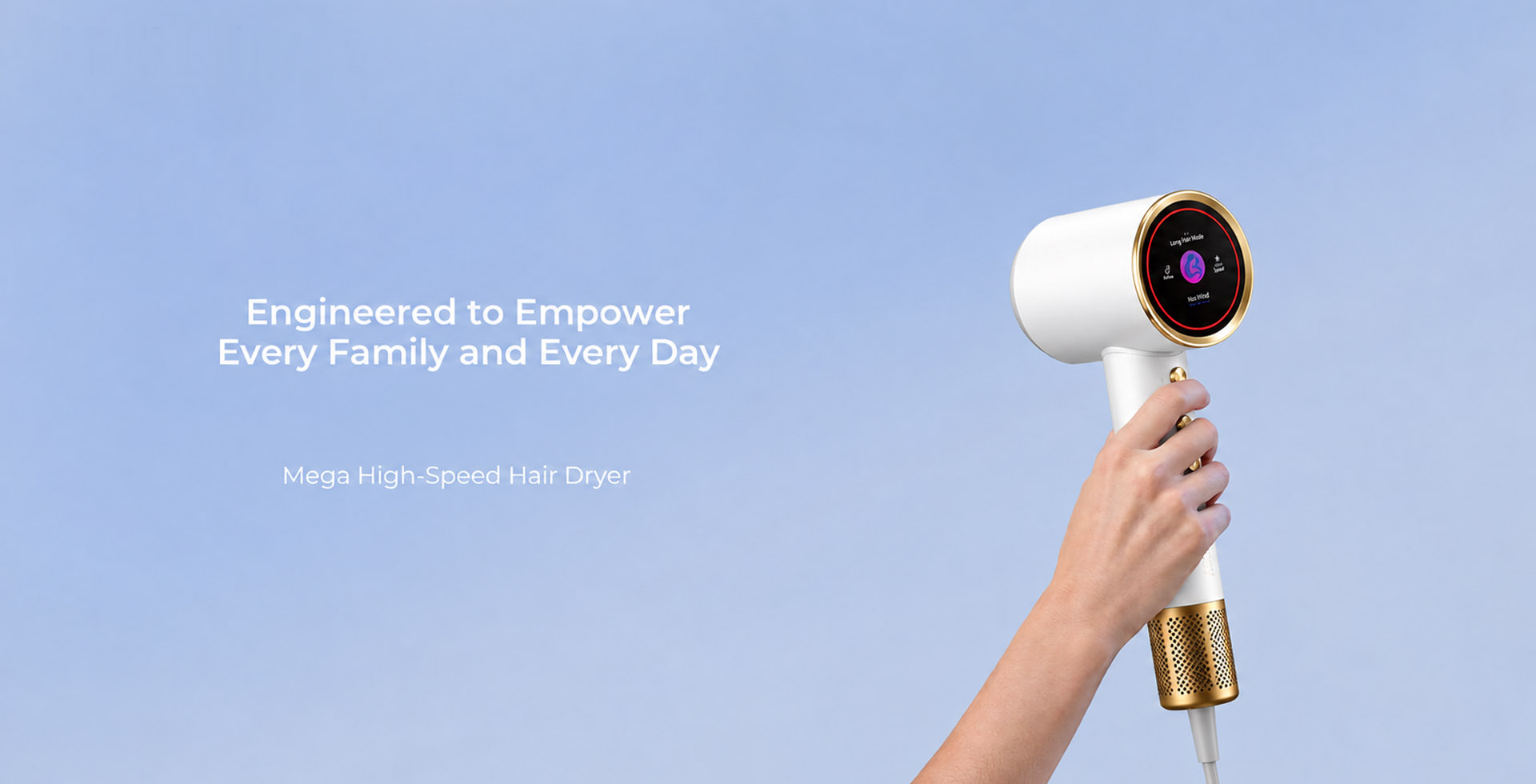
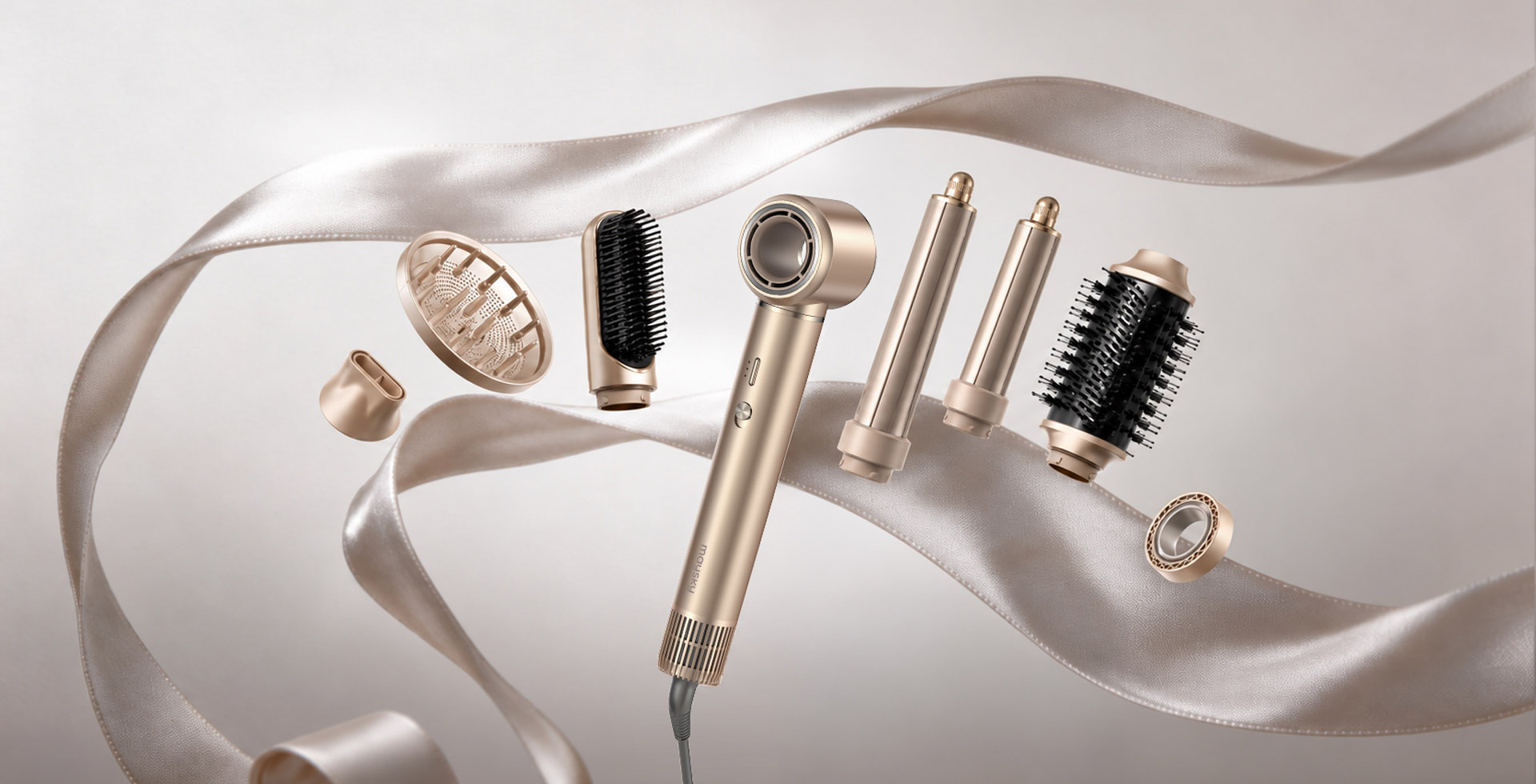
What damages your hair is never blow-drying itself — it's the heat you never meant to inflict. Above 60°C, keratin begins to break down and the cuticle lifts. MaySky offers another answer: speed instead of heat. Dry fast, with care.The moment you step out of the shower is when your hair is at its most vulnerable. Water opens the cuticle, exposing the moisture and protein within — and this is exactly when most damage happens, usually without anyone noticing.Many people react by letting hair air-dry, assuming it's the safer choice. In truth, air-drying has its own risks: damp strands rubbing against your pillow rough up the cuticle, and a scalp left wet for hours becomes a friendly environment for bacteria and dandruff.At the other extreme, conventional dryers work by baking moisture out with heat. Once the airflow passes 60°C, keratin starts to degrade, the cuticle lifts and chips away, and hair loses its shine. Consumer-organization tests have found that a meaningful share of dryers on the market blow air close to or beyond 100°C — the same air we hold inches from our hair every single day.So the real question isn't whether to blow-dry — it's at what temperature. maysky's answer: trade heat for airflow. An aviation-grade jet turbine spinning at 130,000 RPM moves a powerful volume of air, wicking water away with speed rather than scorching — short hair dries in about 40 seconds. Meanwhile, NTC smart thermal control samples the temperature hundreds of times per second and keeps the airflow below 57°C, safely under the keratin damage threshold. High-density negative ions neutralize static, so the cuticle lies smooth and the frizz stays down.
Read more →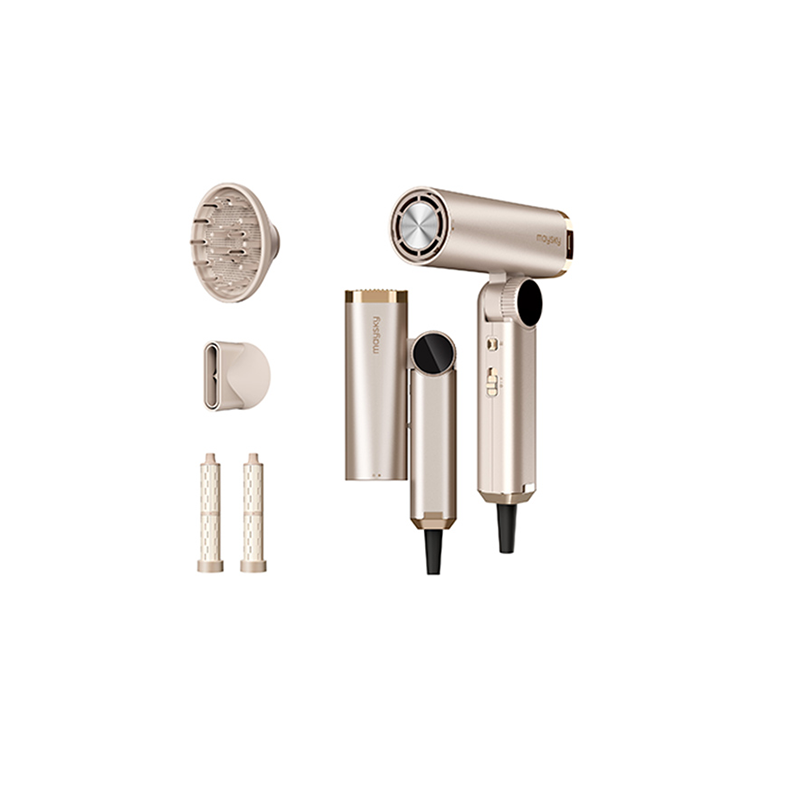 Package
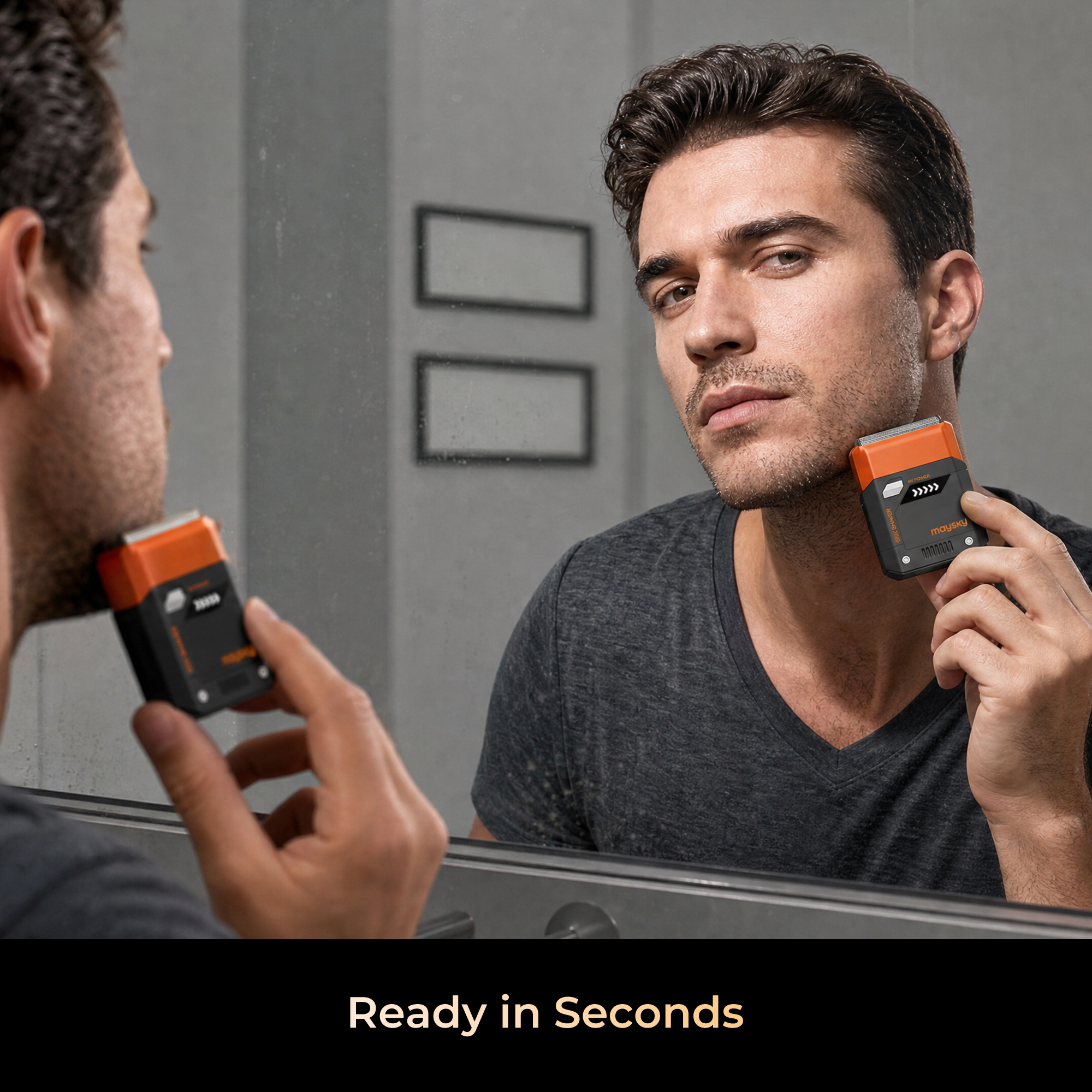
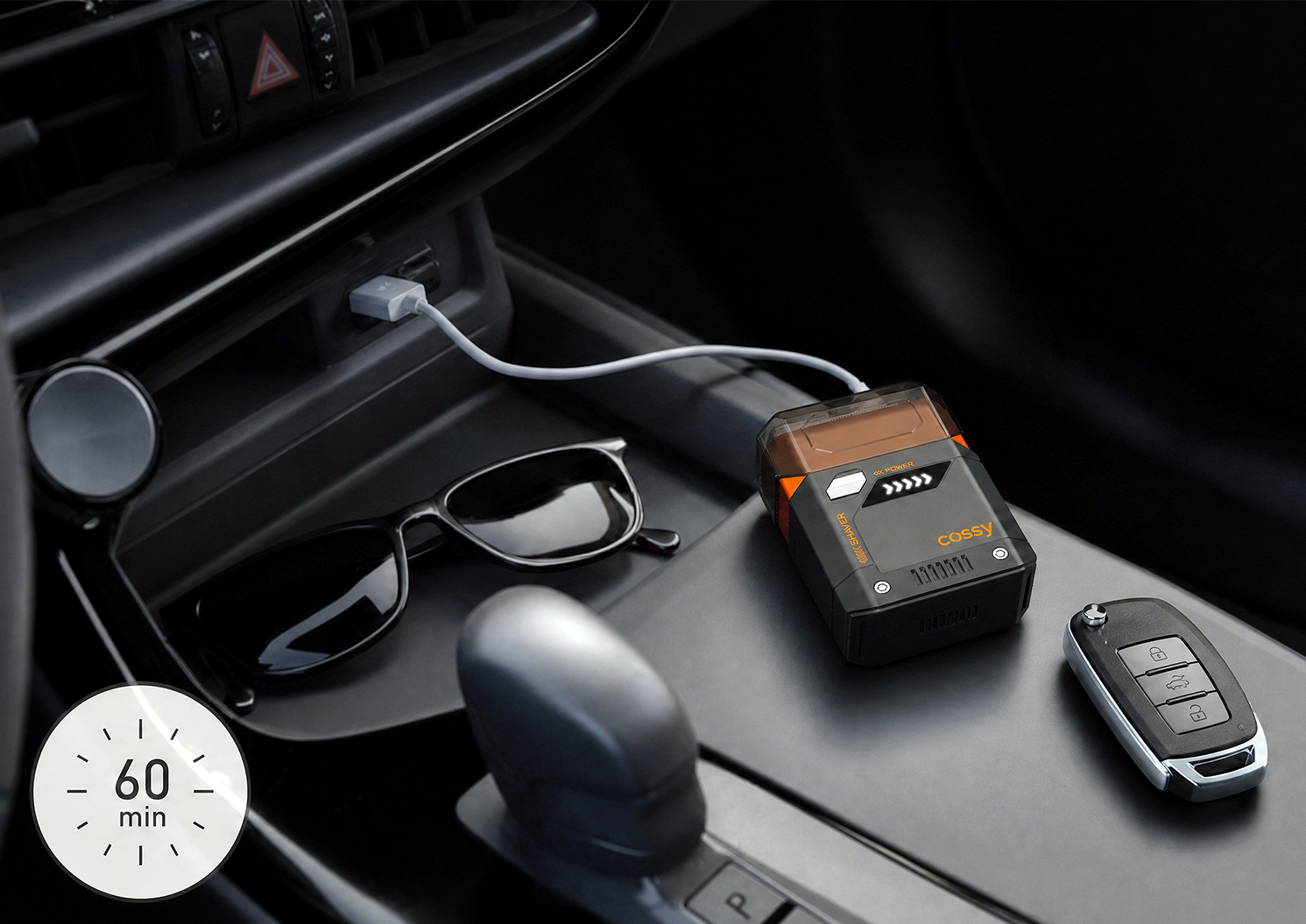
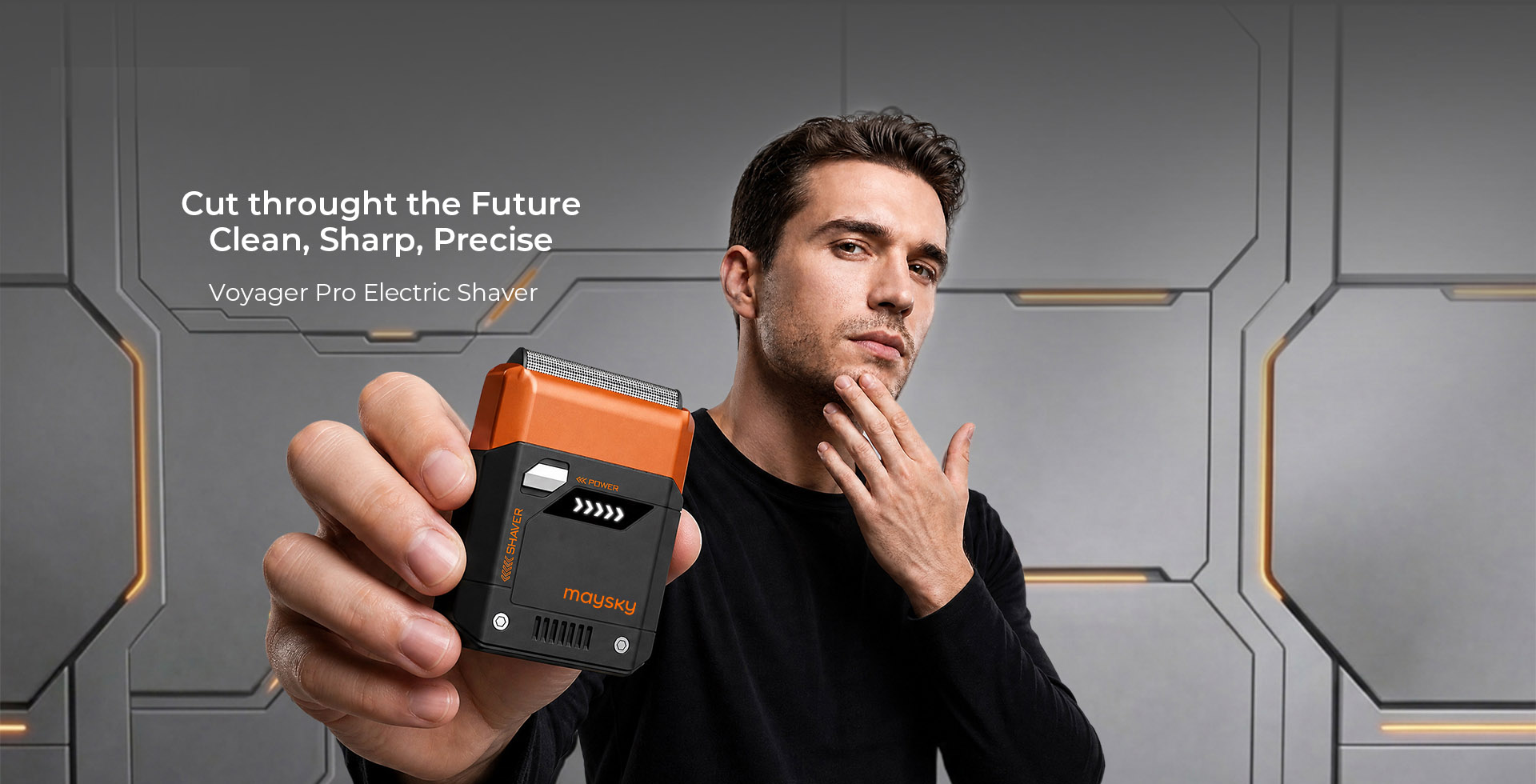
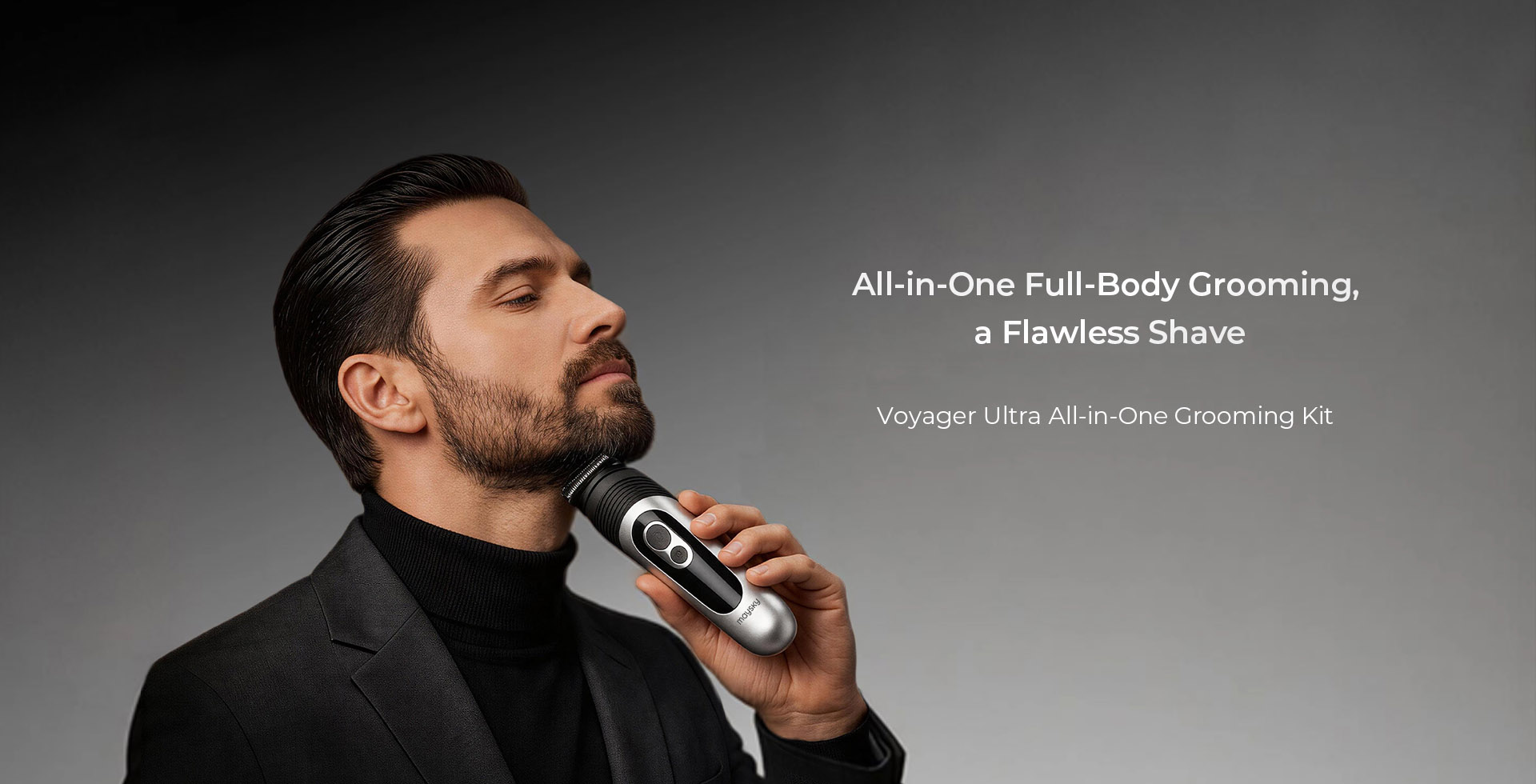
From a single razor to a complete ritual — men around the world are quietly rewriting what self-care means. MaySky builds tools for this shift: precise, quiet, reliable, made for real men's skin and real life.It Starts with a RazorTen years ago, the entirety of most men's grooming routine was a razor and a bar of soap. Today, men's grooming is a mature market worth tens of billions of dollars globally — and still growing steadily. Industry research suggests 68% of men aged 25-45 now treat grooming as part of their daily self-management; five years ago, that share was roughly half.More telling than the numbers is the shift in attitude. Grooming is no longer "extra decoration" — it has become part of the modern man's life competence, the same way fitness manages the body and reading manages the mind. Male consumers are getting more sophisticated too: they read ingredient lists, research tools, and care about technique. Men's skincare has become one of the fastest-growing categories in the entire beauty industry.But men's skin and stubble deserve products engineered for them — not scaled-down generic versions. Men's skin has a thicker outer layer and more active oil glands, and daily shaving keeps this zone under constant micro-stress. It needs efficiency and gentleness at once, and the precision, glide, and skin-friendliness of a grooming tool decide the quality of that morning ritual.
Read more →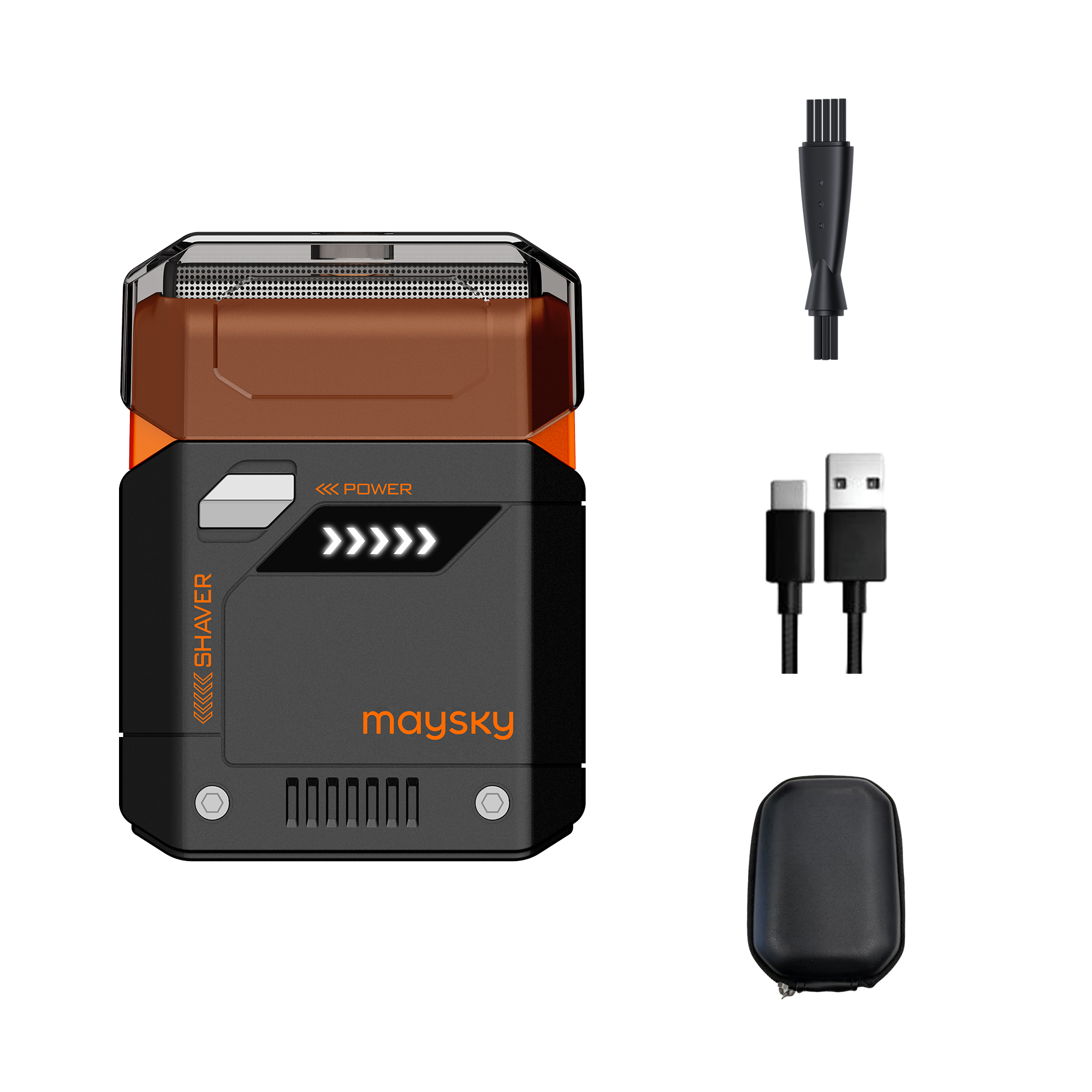 Electric Shaver
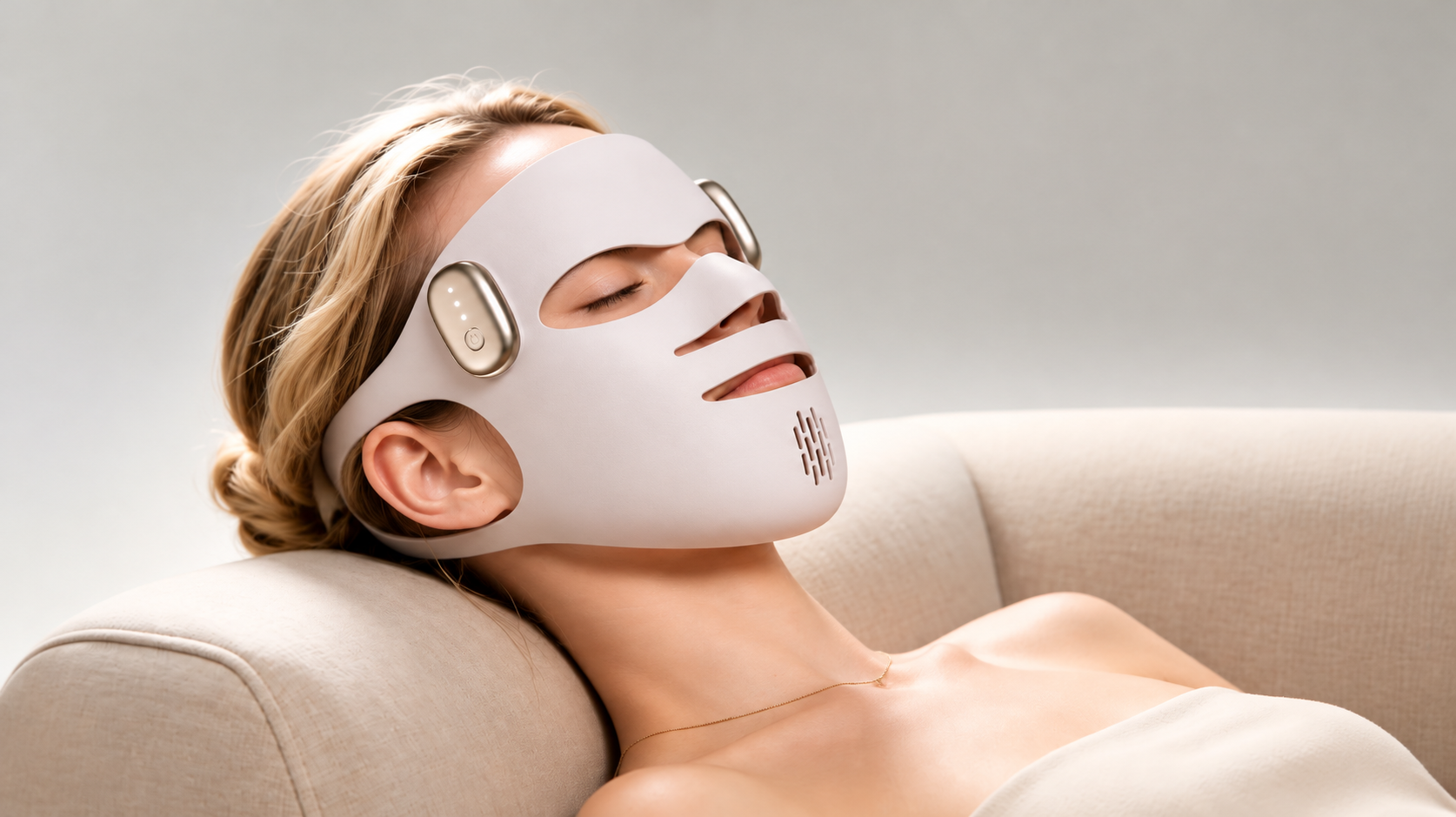
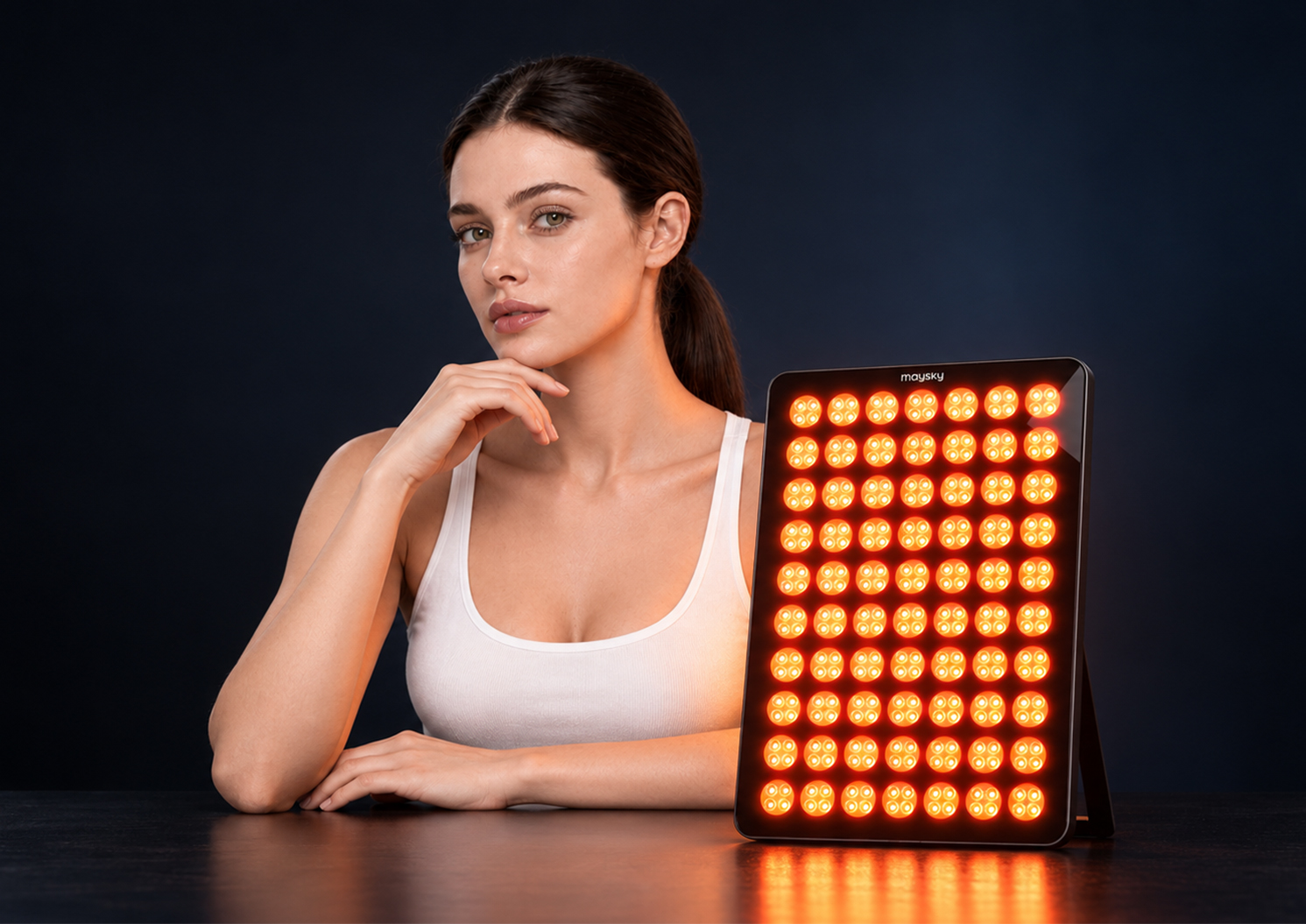
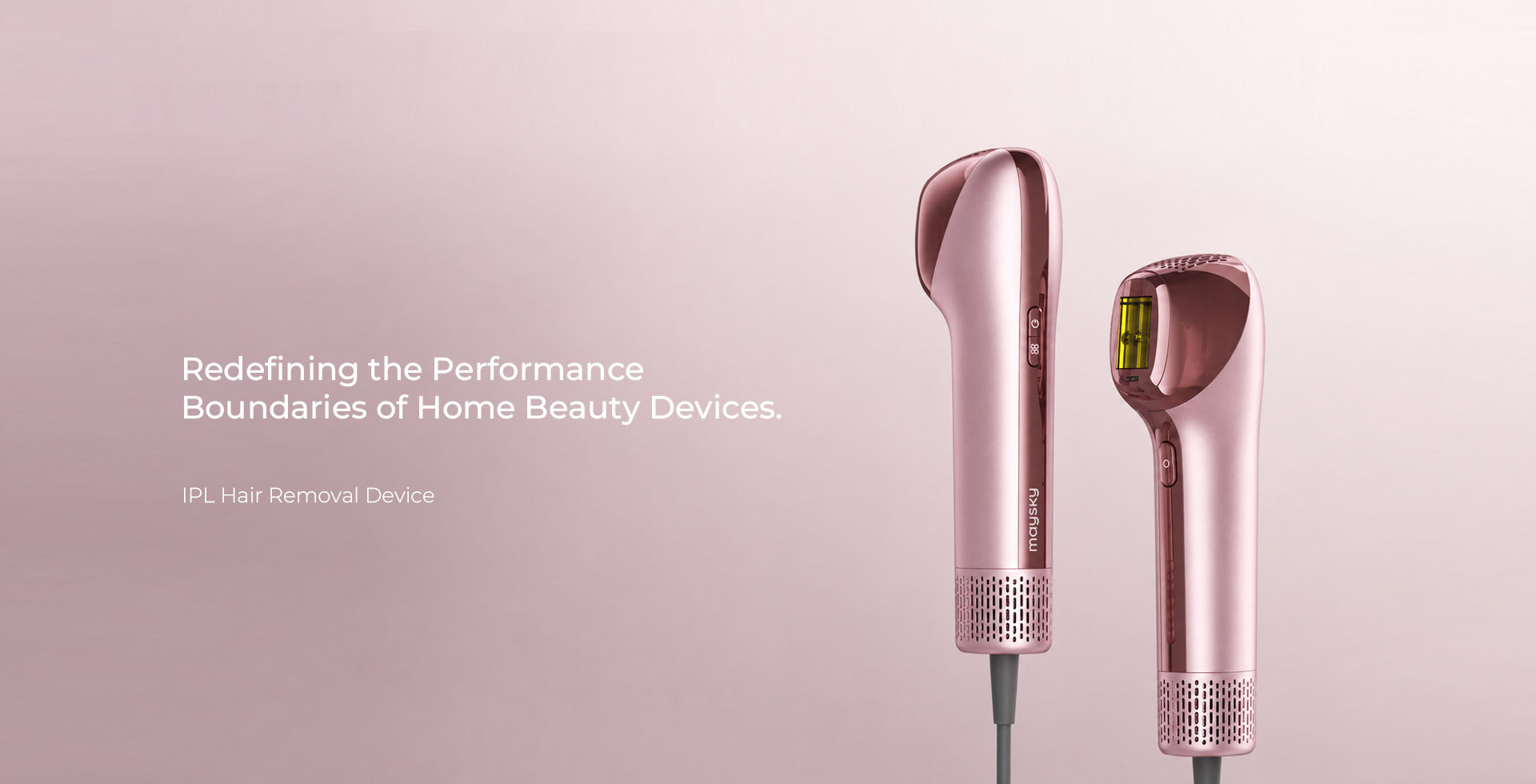
Red light at 633nm reaches the dermis, where collagen is made — a biological pathway validated repeatedly in clinical research, now sitting on your vanity table. MaySky turns clinic-grade light therapy into ten minutes a day.The Science — and the Honesty — of Light TherapyFew technologies in beauty have earned acceptance from both skin science and consumers the way LED light therapy has. The principle is called photobiomodulation: light of specific wavelengths is absorbed by receptors inside the mitochondria of skin cells and converted into cellular energy (ATP), activating fibroblasts — the very cells that produce the collagen keeping skin firm and full.The wavelength determines the depth of action, like keys matching locks. Red light at 633nm reaches the dermis, targeting collagen renewal, texture, and fine lines; near-infrared light travels deeper, supporting soothing and repair. Multiple clinical studies report that participants using combined 633nm and near-infrared therapy saw wrinkle appearance improve by up to 36% and skin elasticity increase by around 19%; dermal density rose by an average of 26% after 28 days, approaching 48% after 84 days.Just as important is what light therapy is not: it doesn't rely on heat, contains no UV, and causes no DNA damage — fundamentally different from sun exposure. It gently awakens the skin's own repair capacity instead of trading damage for renewal.
Read more →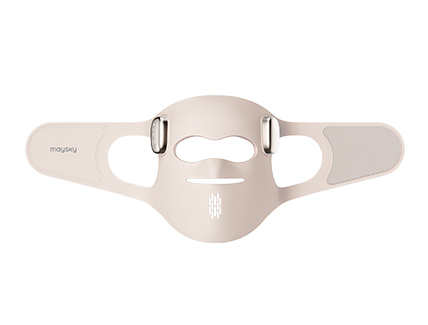 SilkGlow
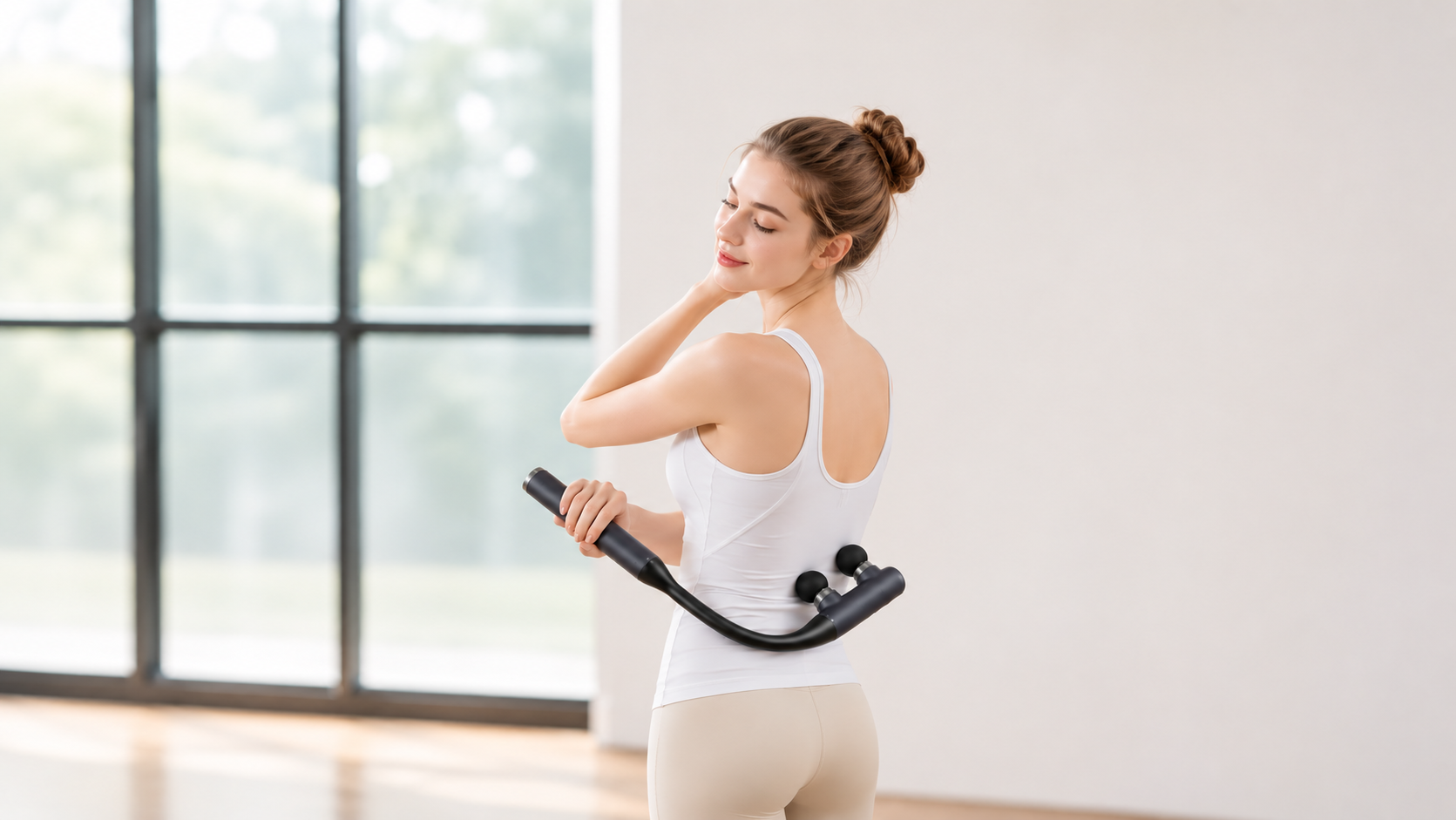
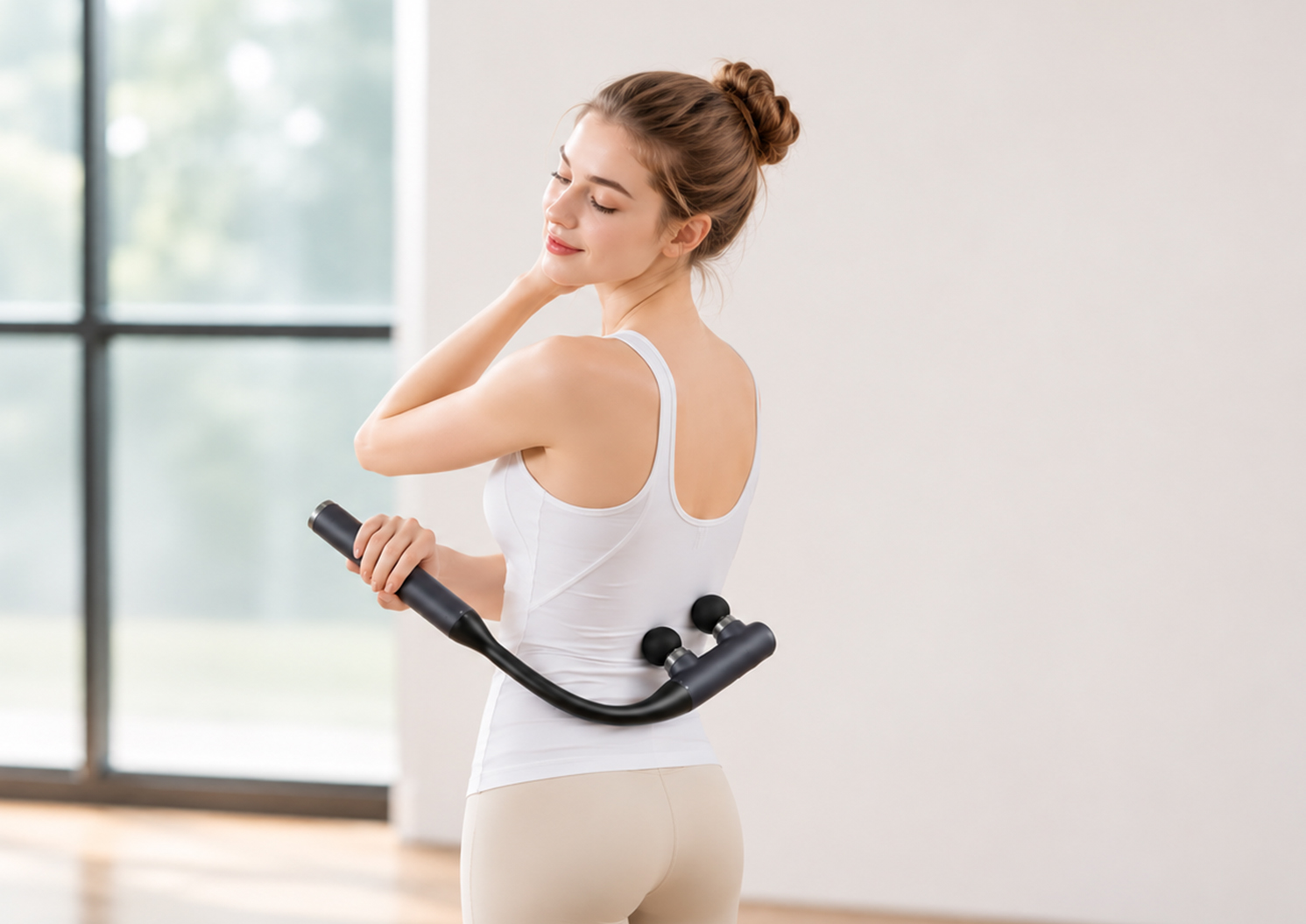
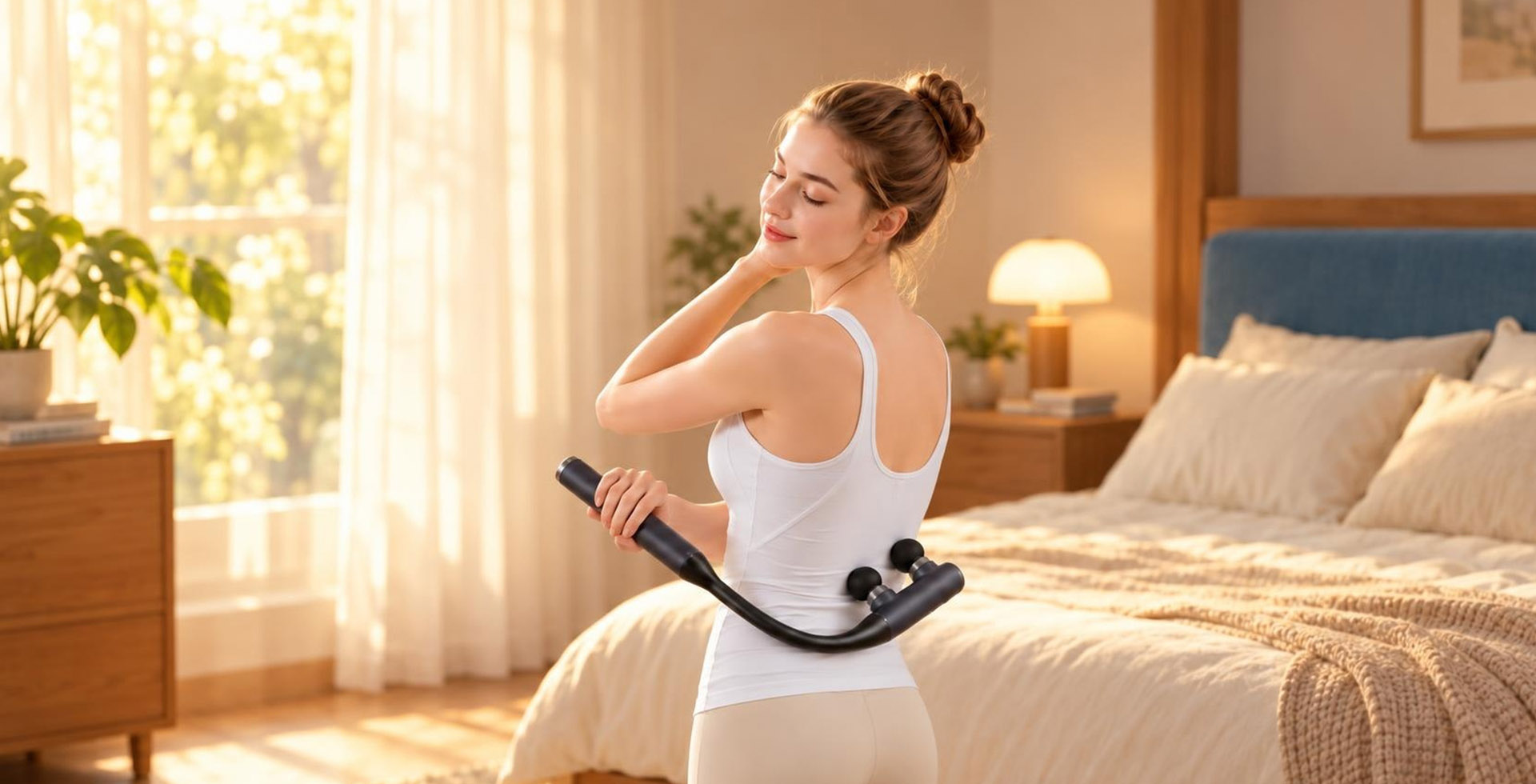
Most fitness formulas are only half-written: train, then get stronger. But the real strengthening happens after training — effort tears muscle fibers, and recovery builds them. Skipping recovery is like saving money without ever collecting the interest: you pay the cost, but never receive the return.To understand recovery, first understand fascia — the connective-tissue web that wraps and links every muscle in your body. After hard training, your sympathetic nervous system stays activated, keeping muscles and fascia tense. The result is stiffness and soreness, known in sports medicine as delayed-onset muscle soreness (DOMS), typically lasting two to three days.Here's what matters more: this is not an athlete-only problem. The desk worker's rigid neck and the scroller's aching upper back are the same phenomenon — static strain. The body holds one posture for hours, certain muscles bear load continuously, and the tension never gets released. Modern working life has made recovery everyone's need, not an upgrade for gym-goers.That's where high-frequency deep relief earns its place: thousands of precise percussions per minute reach into the muscle layer, boosting local circulation, delivering nutrients to tight tissue, supporting lactate clearance, and letting fascia glide smoothly again.Correct usage matters just as much — and this is the part we insist on explaining: glide along the muscle fiber direction rather than hammering one spot; three to five minutes per area is enough; avoid joints, bony prominences, and nerve-dense zones like the neck; start from low intensity and build up. Recovery tools assist the body — they don't replace stretching and sleep, but they make both count more.
Read more →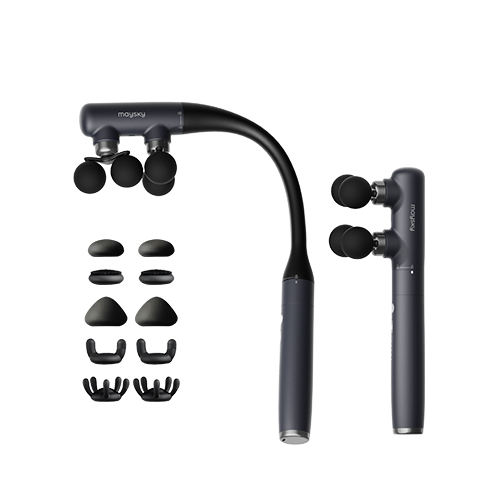 Swane
Copyright 2026 – All Rights Reserved By MAYSKY Technical support:Zhongyunshang Network